

Introducing Custom MINI Bongs:
New Decals for the Prism MINI 3D Builder
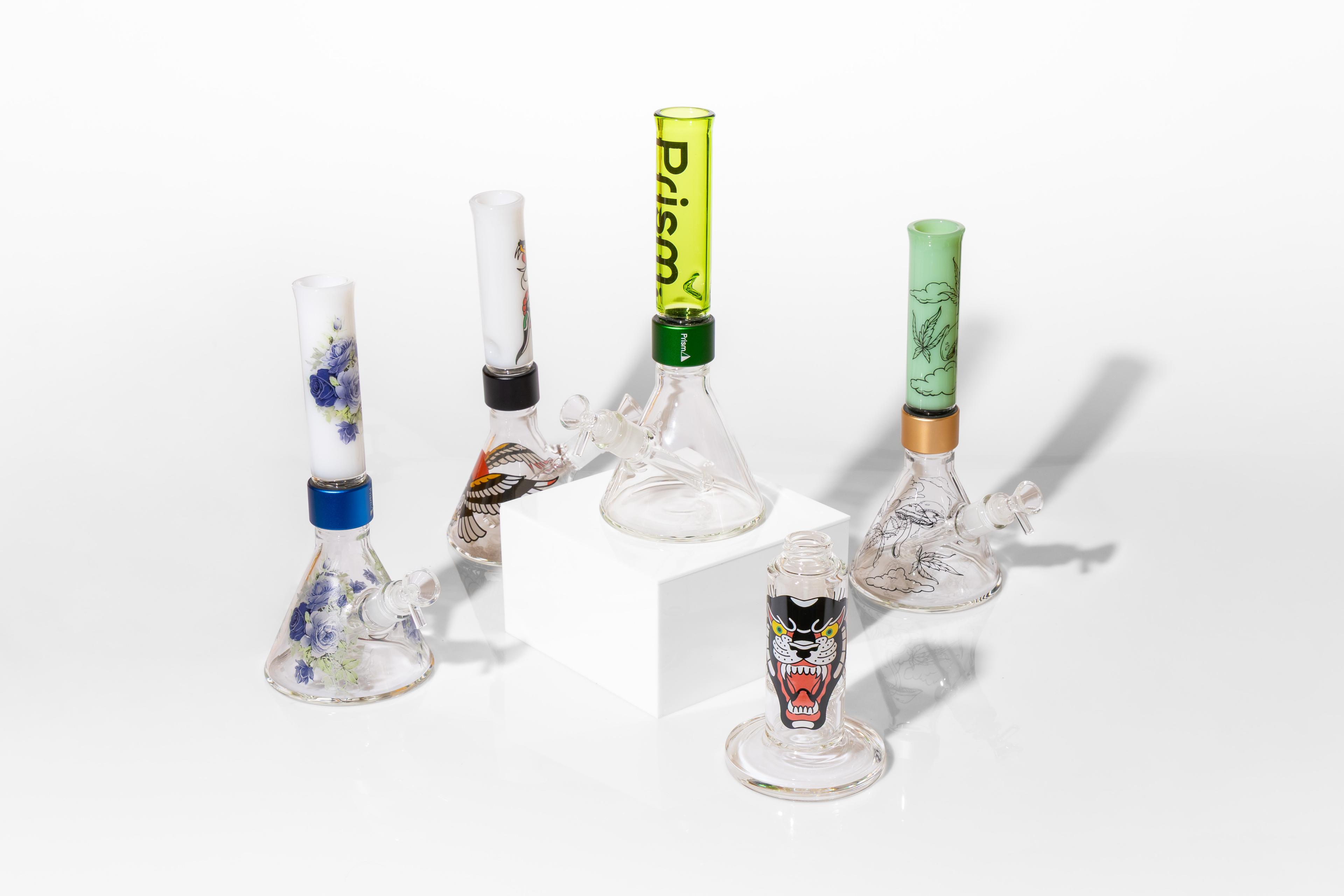
Looking for a smaller custom bong that combines premium borosilicate glass, interchangeable parts, and unique artwork?
*Drumroll Please*
Look no further! Prism's MINI 3D Builder now lets you design a completely personalized mini bong using all of our kiln-fired decal collections. Choose your colors, swap modular parts, and create a one-of-a-kind setup that fits your style.
Why Choose a Custom Mini Bong?
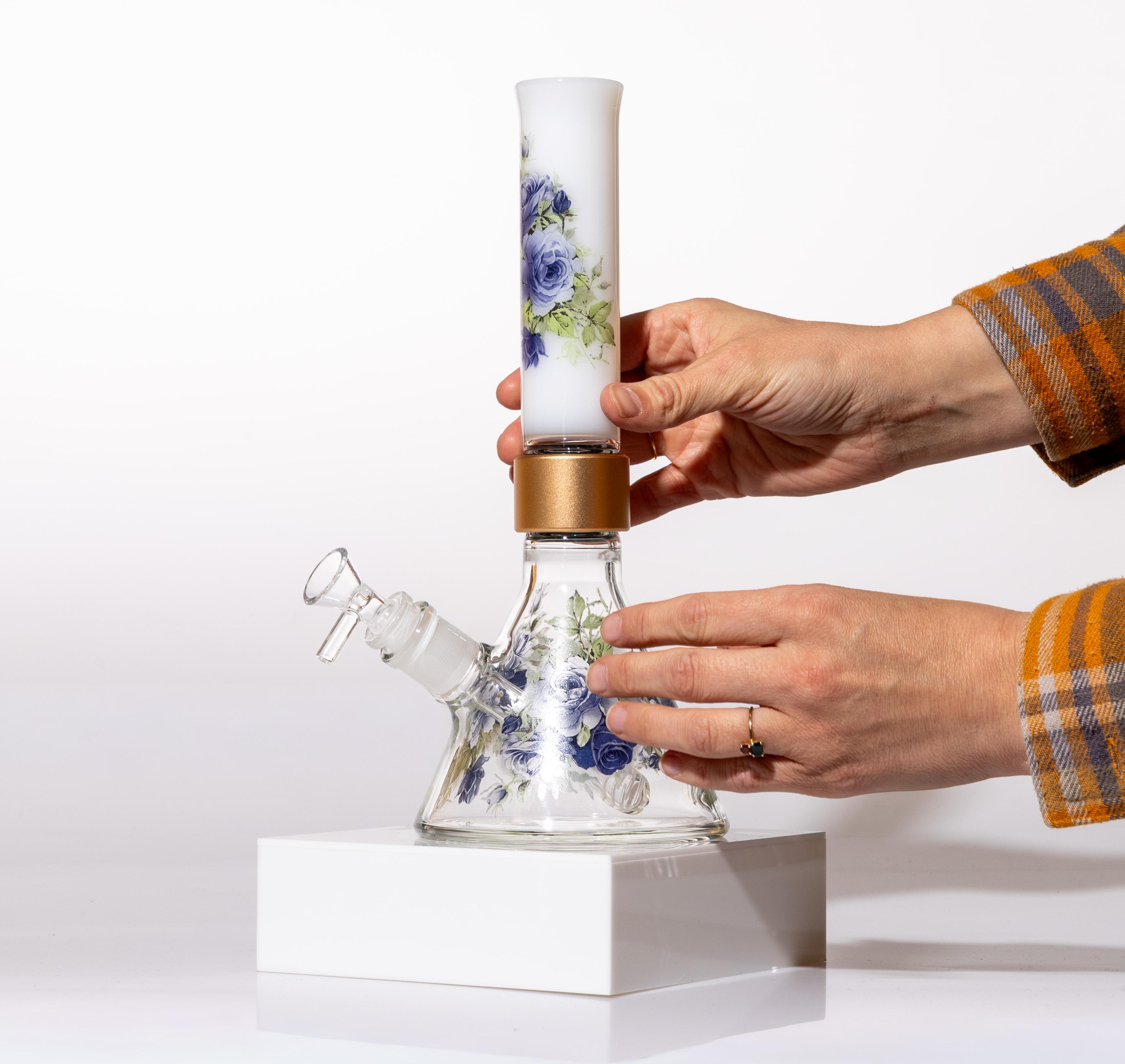
Going small with Prism used to mean skipping out on the artwork. You had to choose between the portability of our MINI line or the vibrant, expressive decal collections of our full-sized Classic line.
We don't think you should ever have to compromise on fun just because you want a different function. Now, you get the best of both worlds: premium glass, a multitude of colors, all wrapped in your favorite Prism decal designs.
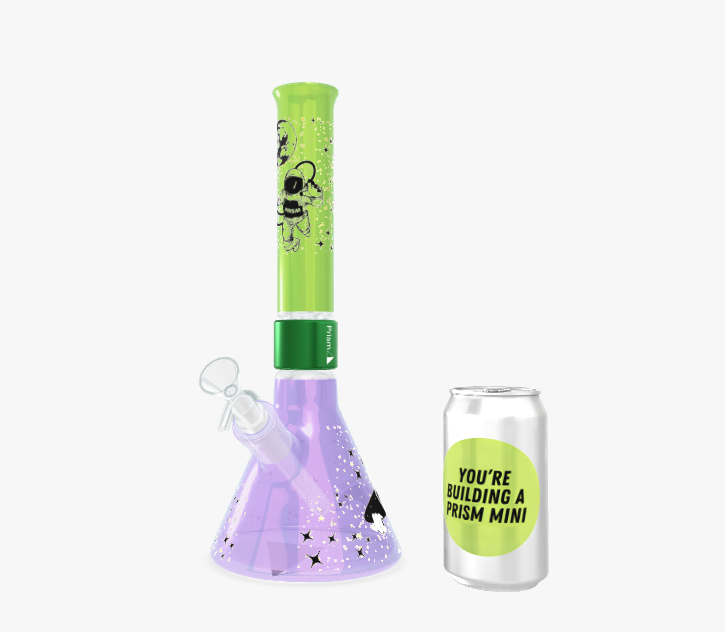
A Spaced Out Build in the 3D Custom Builder!
What Are Kiln-Fired Glass Decals?
(Spoiler: It’s Not a Sticker)
If the word "decal" makes you think of cheap vinyl stickers that peel and fade, think again.
A Prism decal is more like a tattoo that’s permanently fused into the glass itself, becoming a permanent fixture of your setup’s identity.
A vinyl slide decal (often just called a slide decal in the glass industry) is a decorative image or graphic that gets permanently fused onto glass during a kiln-firing process. In the bong and functional glass world, it’s commonly used to add logos, artwork, patterns, or branding onto pieces without hand-painting them.
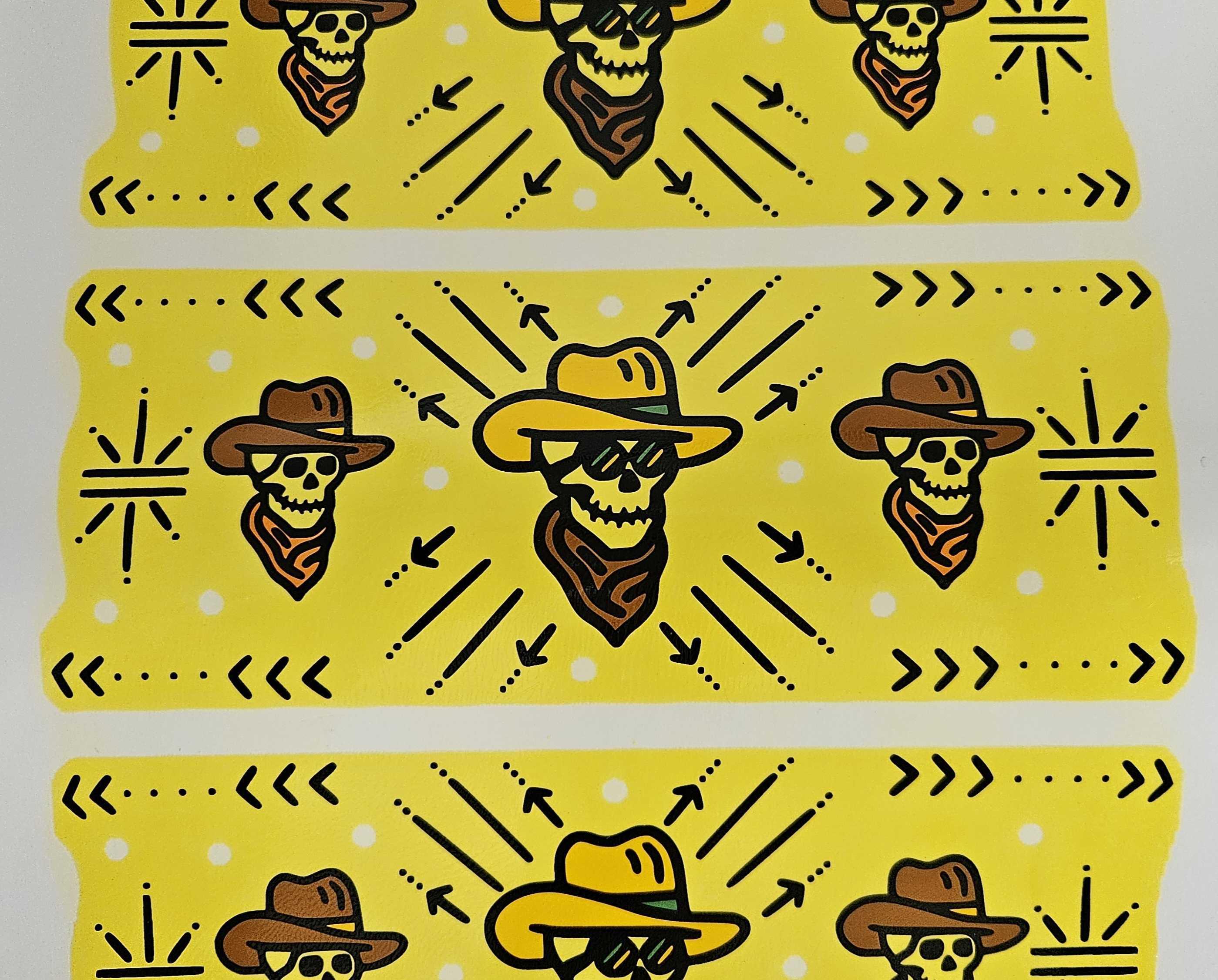
A Raw Unfired "Desert Dream'n" Decal Wrap
Here’s How the Process Starts:
The decal begins as a printed design on a special transfer sheet. The artwork is typically created using ceramic pigments, glass enamels, or metallic inks such as gold or platinum.
*While many people refer to the finished product as a “vinyl decal,” the vinyl portion usually relates to the carrier or masking material used during production rather than the final fired image itself.*
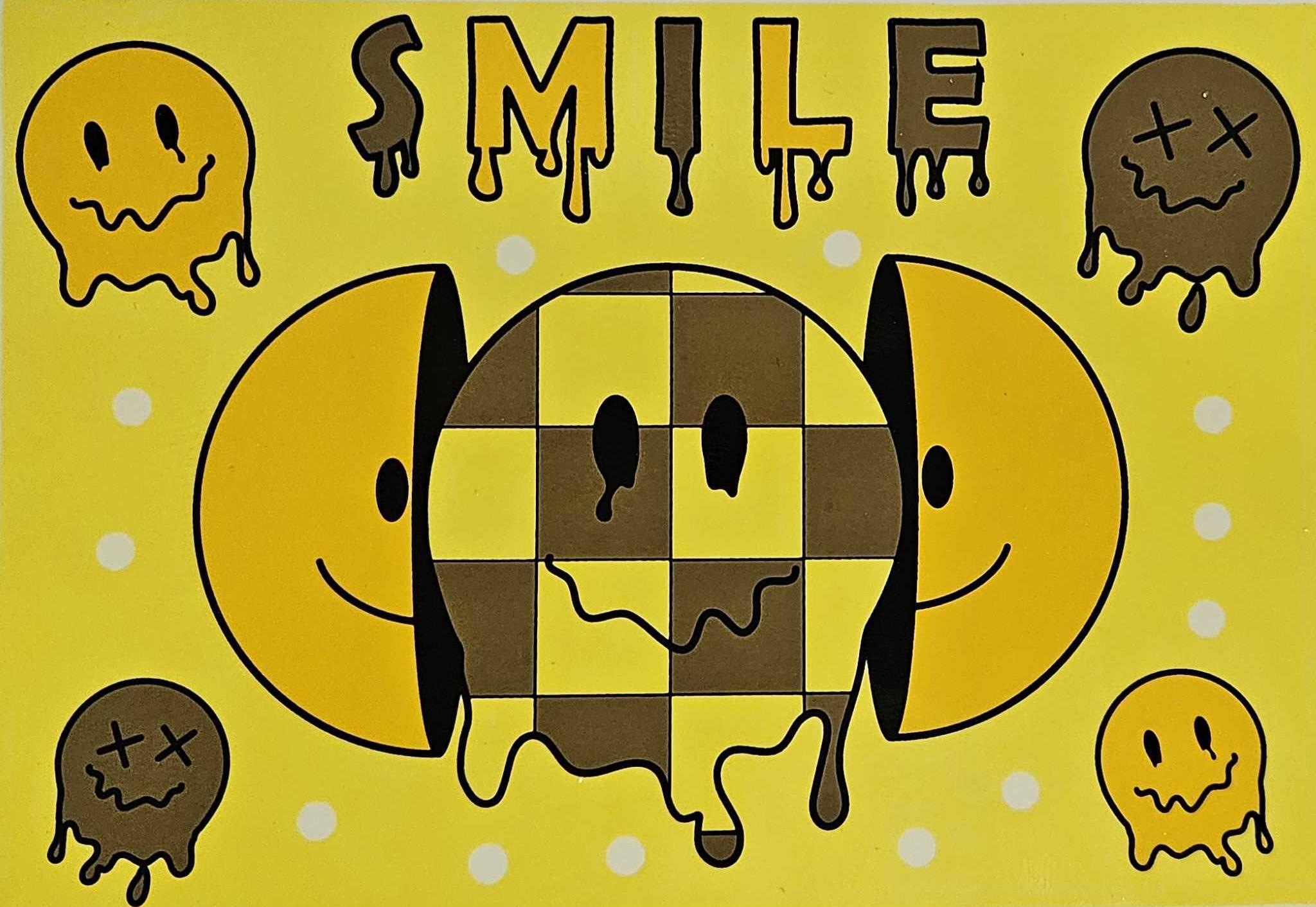
A Raw Unfired "Smile" Decal Wrap
Each decal sheet consists of:
-
The printed artwork
-
A release layer
-
A backing paper
When placed in water, the design layer loosens and slides away from the backing paper—similar to a temporary tattoo.
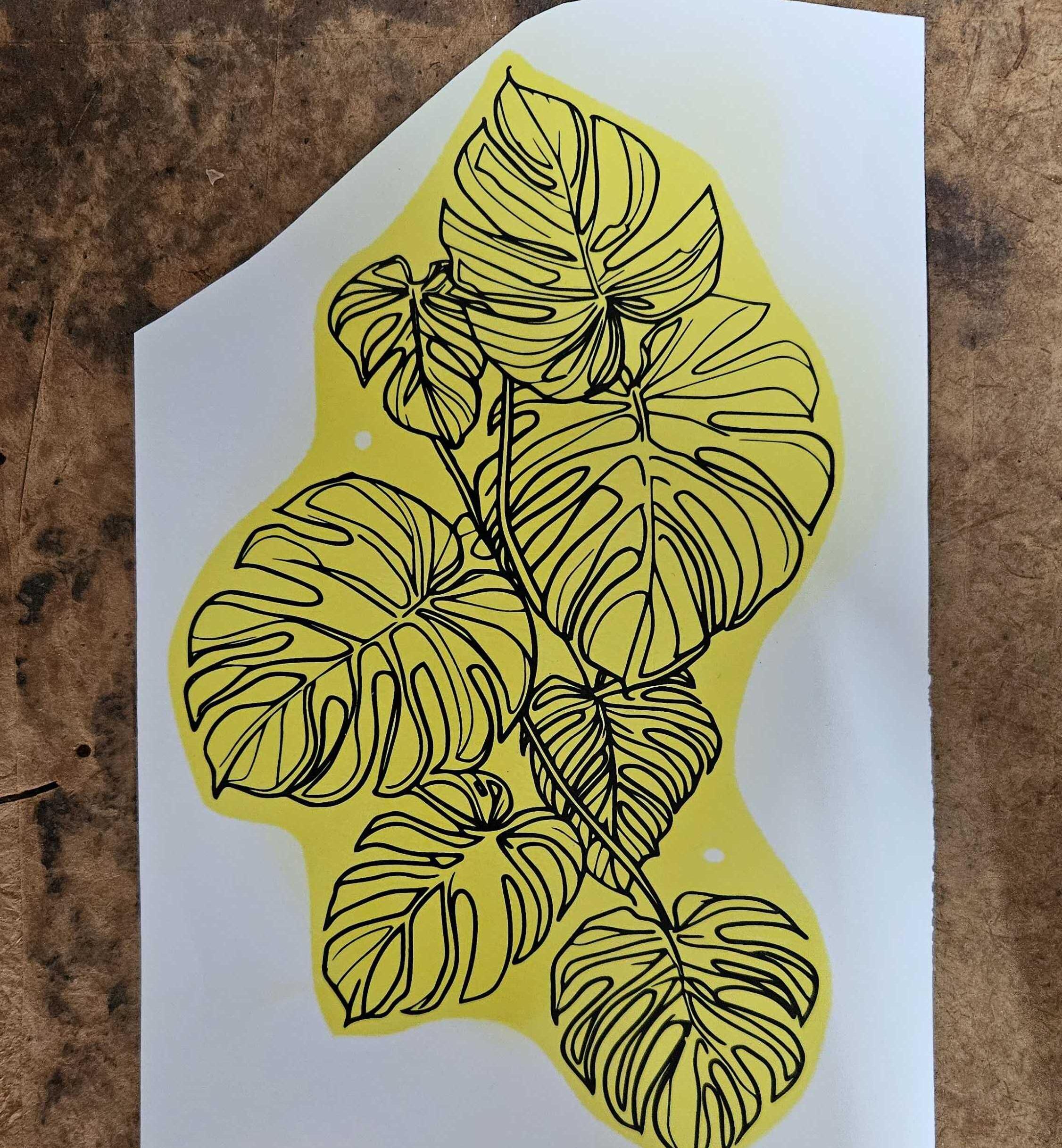
A "Monstera" decal being cut and prepared for application.
How Vinyl Slide Decals Are Applied to Glass:
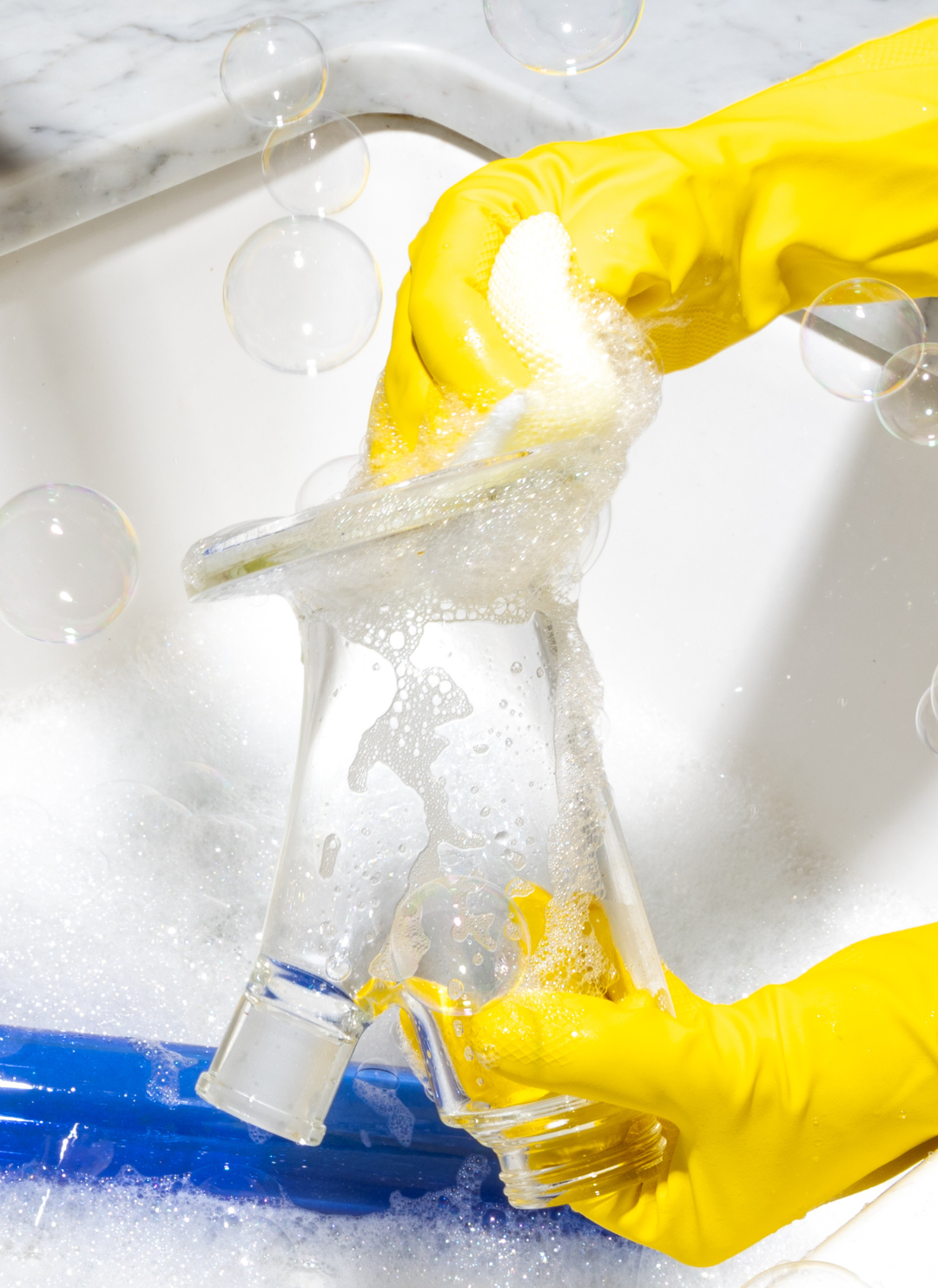
Step 1: Cleaning the Glass
Before application, the glass surface must be thoroughly cleaned. Any oils, dust, or fingerprints left on the piece can interfere with adhesion and cause issues during firing such as bubbling, blistering, or peeling.
Proper surface preparation is one of the most important steps in the entire process!
Step 2: Soaking the Decal
The decal sheet is briefly soaked in water, which loosens the artwork layer from the backing paper. Once released, the decal becomes movable and ready to be transferred onto the glass surface.
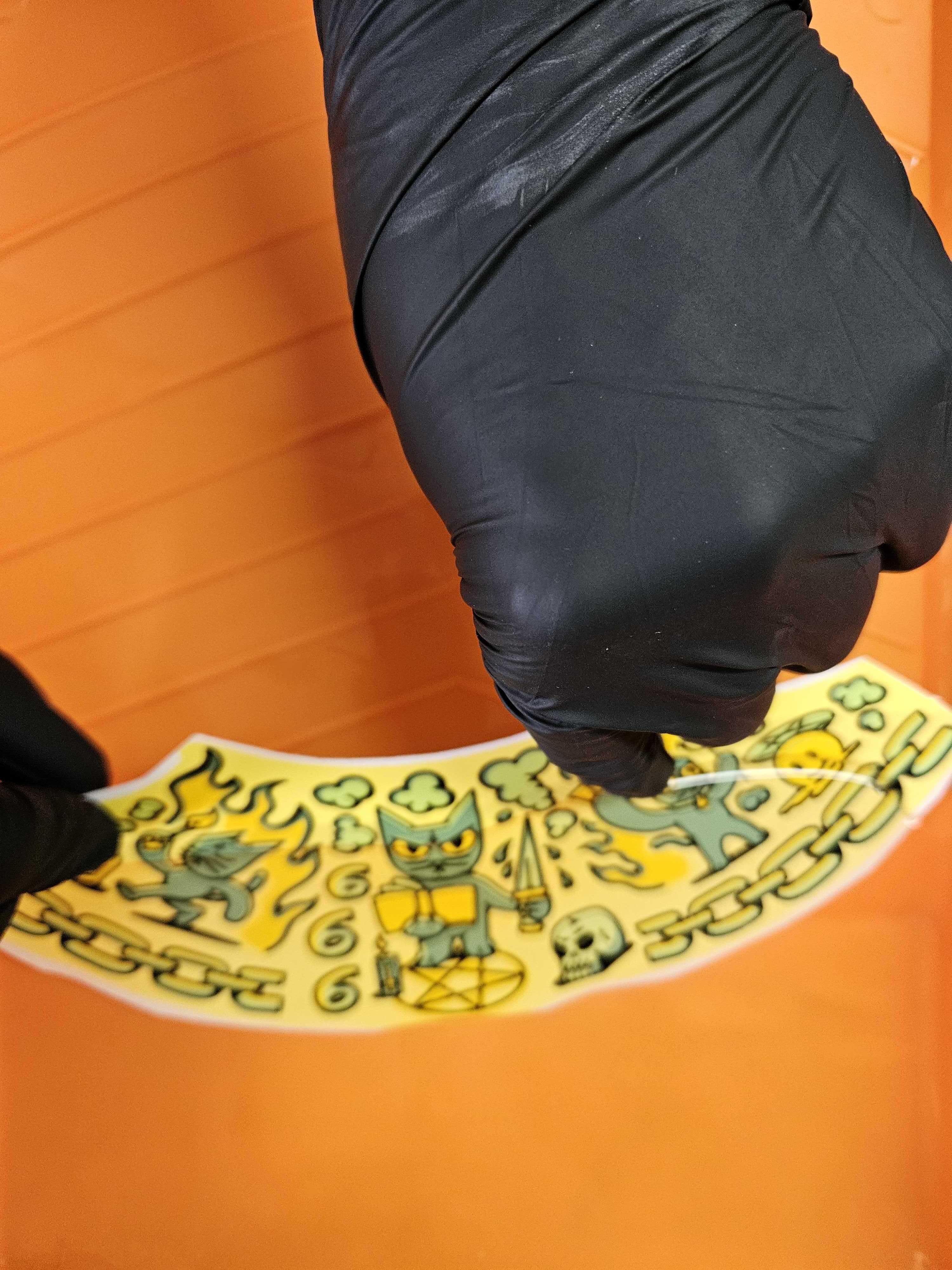
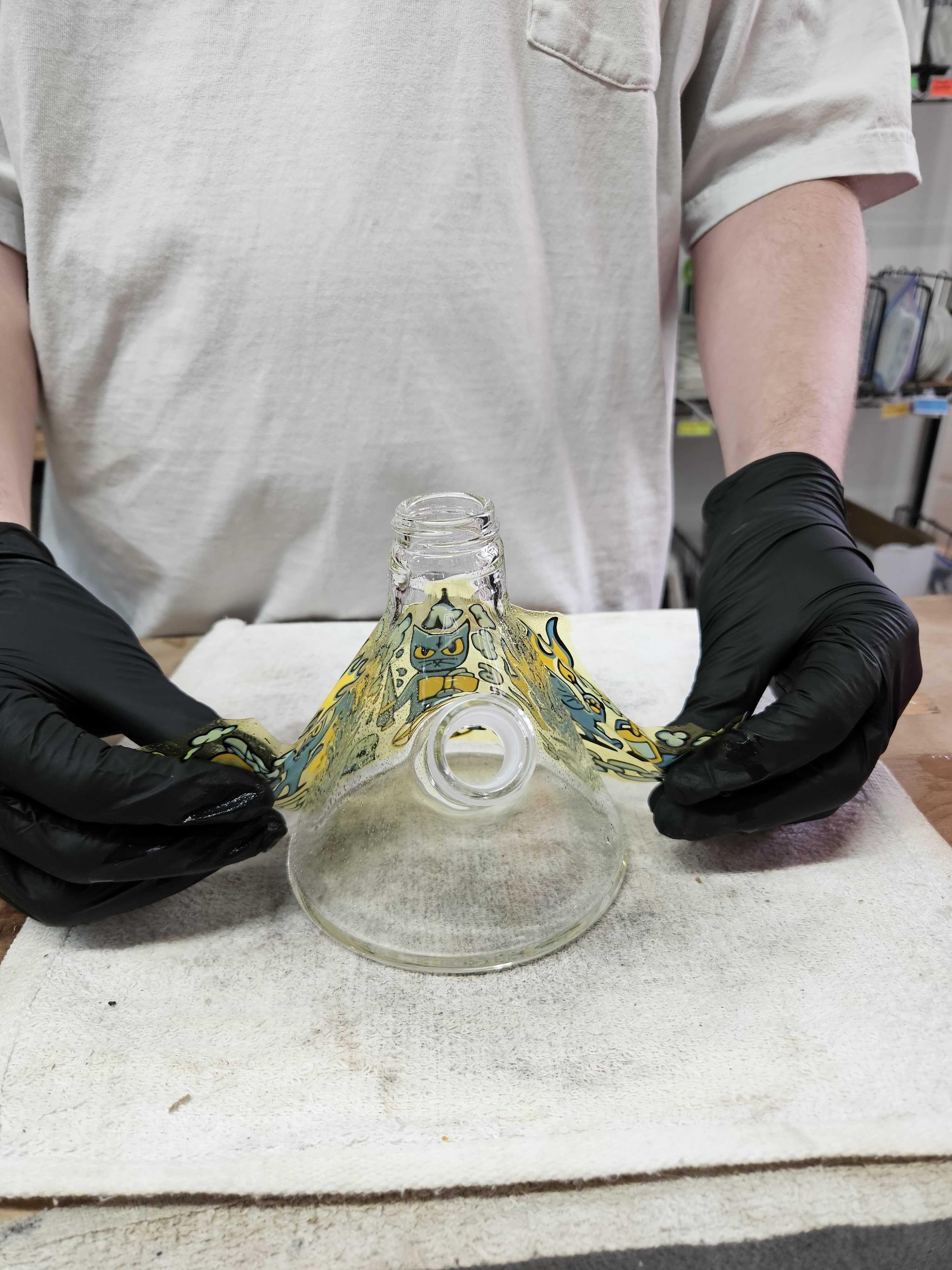
Step 3: Sliding the Decal Onto the Glass
The decal is carefully positioned onto the glass piece by hand.
Depending on the design, decals may be placed:
-
On tubes or straight sections
-
Around beakers
-
Near the base for branding
-
Around the neck for repeating patterns or wraps.
After positioning, excess water and trapped air bubbles are removed using soft tools, rubber squeegees, or careful hand pressure. The piece is then allowed to dry completely before firing.
How Kiln Firing Permanently Fuses the Decal to the Glass
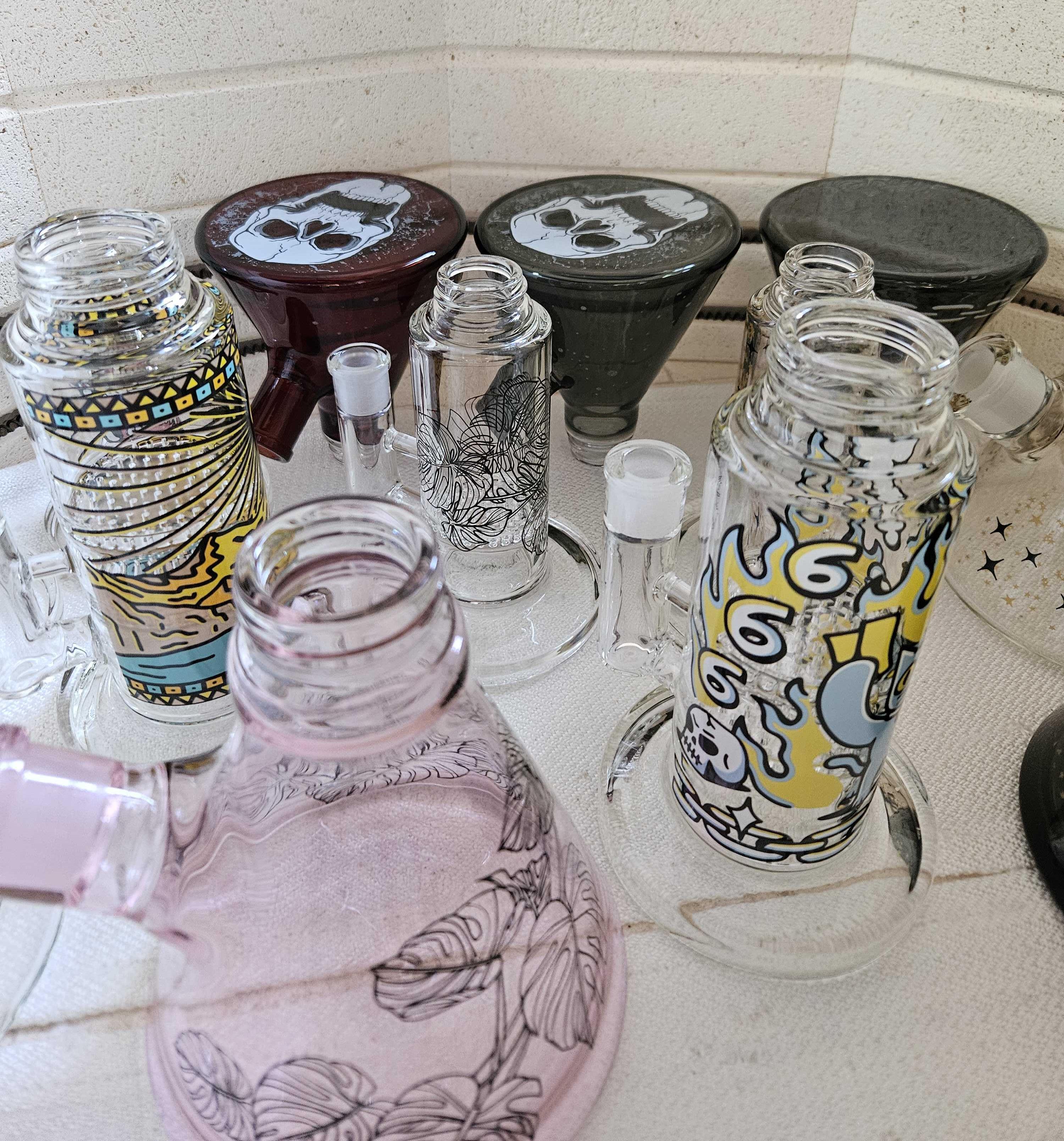
A freshly baked round of decaled glass ready to be assembled.
Once the decal has fully dried, the glass piece is placed into a kiln for firing.
Glass decals are commonly fired at temperatures ranging from approximately 1000°F to 1250°F, depending on:
-
The type of glass
-
The enamel formulation
-
The chemistry of the decal being used
During the firing process, several important things happen simultaneously:
First, the organic carrier materials and adhesives burn away completely. Then, the enamel and ceramic pigments soften and fuse directly into the surface of the glass.
Important Note About Durability
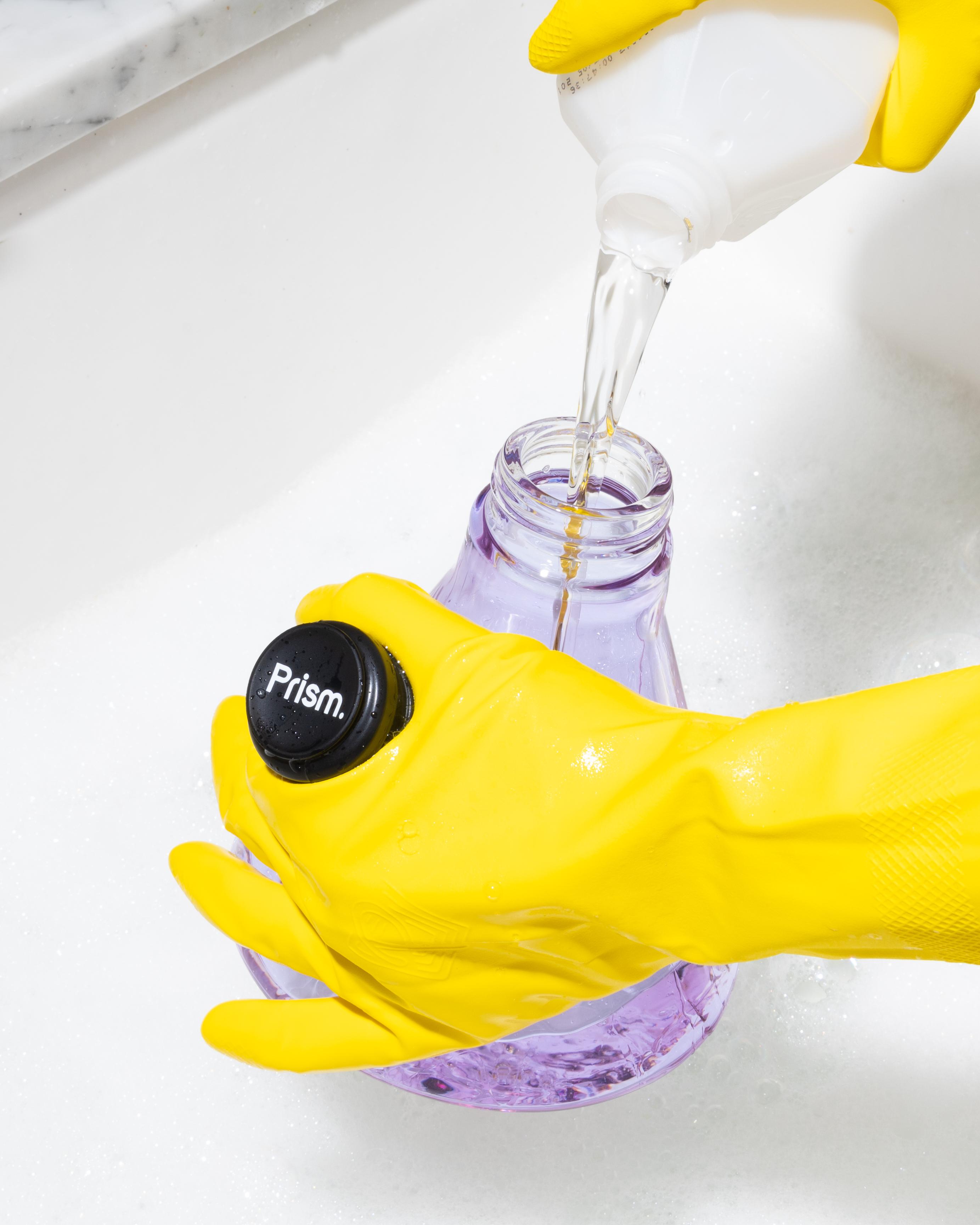
Gentle cleaning will preserve your decal for years to come!
Although kiln-fired decals are permanent, they do not fully melt into the internal structure of the glass like colored borosilicate tubing does. Instead, the decal bonds to the outer surface layer of the glass.
Because of this, decals can still potentially be damaged by:
-
Aggressive abrasion
-
Improper cleaning methods
-
Extreme thermal shock
-
Poor firing practices
A properly fired decal can remain vibrant and durable for years, while improperly fired decals may eventually show issues such as:
-
Peeling
-
Bubbling
-
Cracking
-
Fading
When done correctly, kiln-fired slide decals provide a clean, professional, and highly durable finish that has become a staple in modern glass production.
UV Resistance of Kiln-Fired Glass Decals
Kiln-fired glass decals are generally very UV resistant because the artwork is made with ceramic pigments that are fused into the surface of the glass rather than sitting on top like a sticker. This makes them far more stable under sunlight and heat exposure.
In practice, most standard colors—like blacks, blues, and earth tones—hold up extremely well over time, even with regular daylight exposure. The main exceptions are certain specialty inks, like neon or some metallic finishes, which can slowly dull or lose vibrancy if exposed to strong, constant sunlight.
This is why kiln-fired decals are commonly used on commercial glassware and functional pieces: they’re designed to stay crisp and readable for years, even in real-world use.
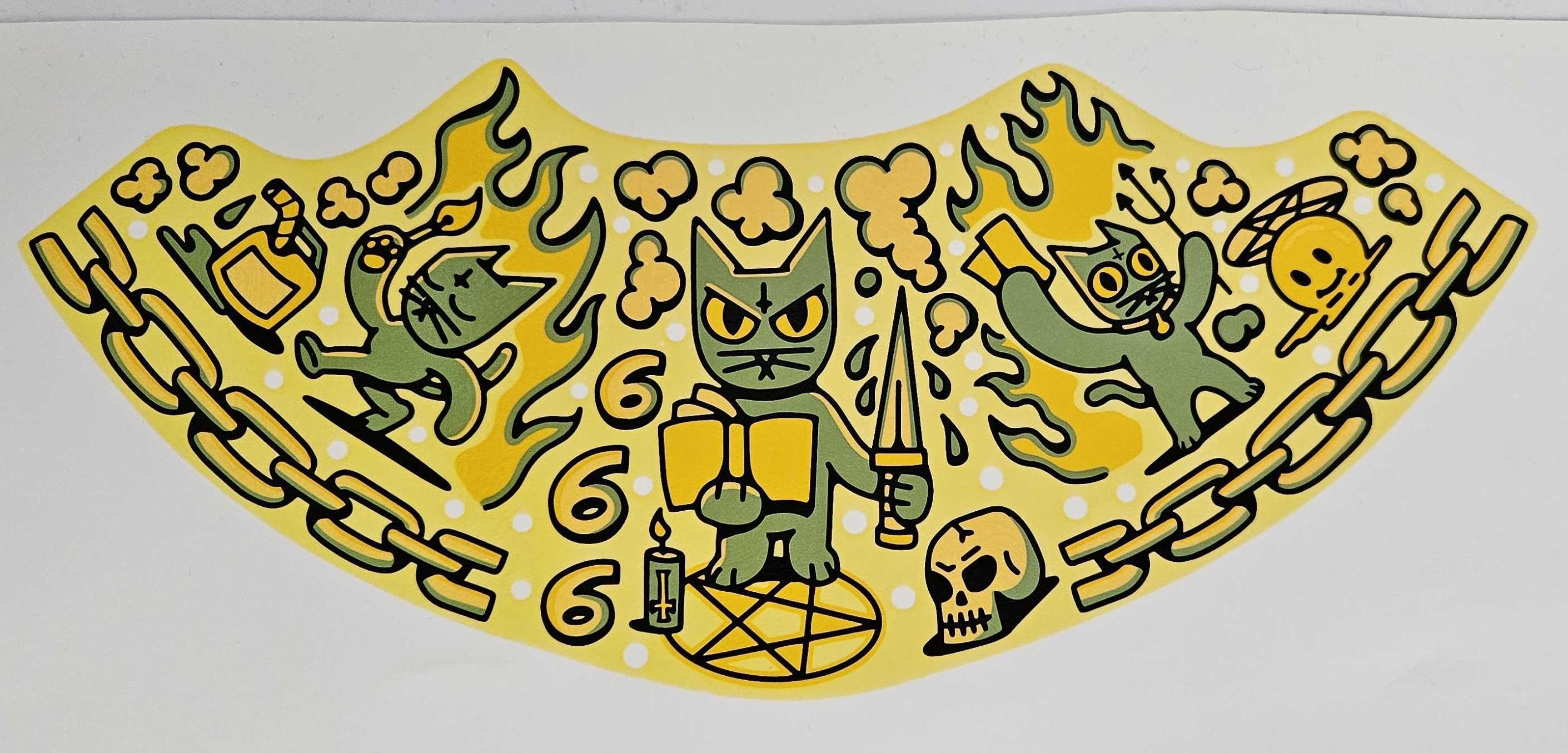
Fun Fact:
Unfired decals actually look bright yellow anywhere they are supposed to be clear!
This temporary yellow tint helps our studio team spot air bubbles and ensure a perfect fit on the glass, but it would definitely surprise you if you saw it before it hit the kiln!
Design Your Own MINI in Three Easy Steps
Ready to channel your inner designer? Stepping into the new MINI 3D Custom Builder is as easy as it is addictive. Here is your quick, step-by-step playbook to creating a one-of-a-kind smaller setup:
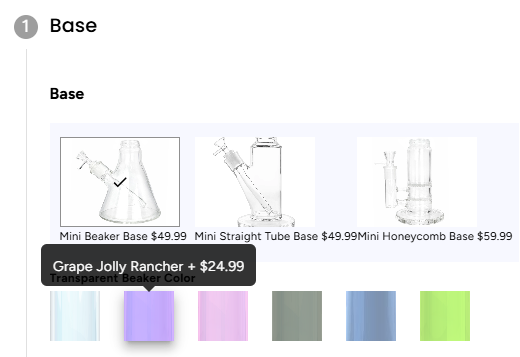
Step #1: Pick Your Base:
-
Start from the bottom up. Choose the foundation of your MINI piece, picking the style and colorway that sets the tone for your build.
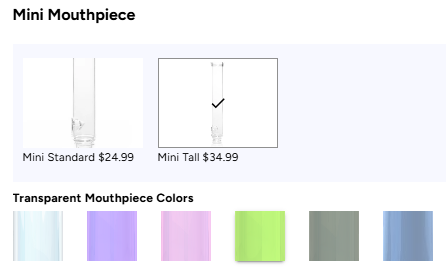
Step #2: Choose Your Mouthpiece + Halo:
-
Lock in your preference for function and airflow. Pick the mouthpiece style that matches how you like to session, and the Halo Connector color that suits your vibe.
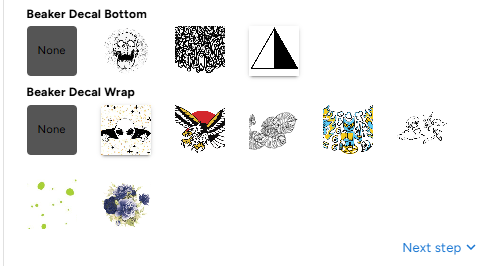
Step #3: Select Your Decals:
-
The moment we’ve all been waiting for. Browse our newly scaled, mini-optimized decal collections and slap your favorite artwork onto your custom creation!
Create Yours Today!
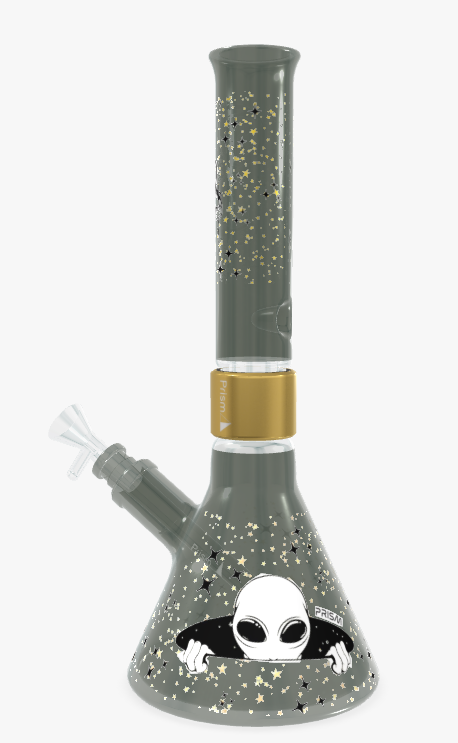
Whether you're building your first custom mini bong or adding another modular piece to your collection, the Prism MINI 3D Builder gives you complete control over every detail. Mix colors, experiment with kiln-fired artwork, and create a setup that's uniquely yours.
Frequently Asked Questions
What is a custom mini bong?
A custom mini bong lets you choose colors, parts, and artwork to create a glass piece that matches your style.
Are Prism decals stickers?
No. Prism decals are kiln-fired glass decals that get permanently fused to the surface of the glass.
Are kiln-fired decals durable?
Yes. Properly fired ceramic decals are extremely durable and resist fading, peeling, and UV damage with proper care.
Can I customize every MINI bong?
Yes. The Prism MINI 3D Builder allows you to mix and match bases, mouthpieces, halo connectors, AND decal collections.
CHECK OUT OUR 3D CUSTOM BONG BUILDER!
WANT A BONG THAT WILL GIVE YOU A SMOOTH HIT?
CHECK OUT OUR 3D CUSTOM BONG BUILDER AND DESIGN ONE WITH A PERCOLATOR AND/OR A PERCOLATED BEAKER BASE FOR THE SMOOTHEST BONG EVA!