


Glass vs. Acrylic Bongs
Is It Safe to Smoke From Acrylic?
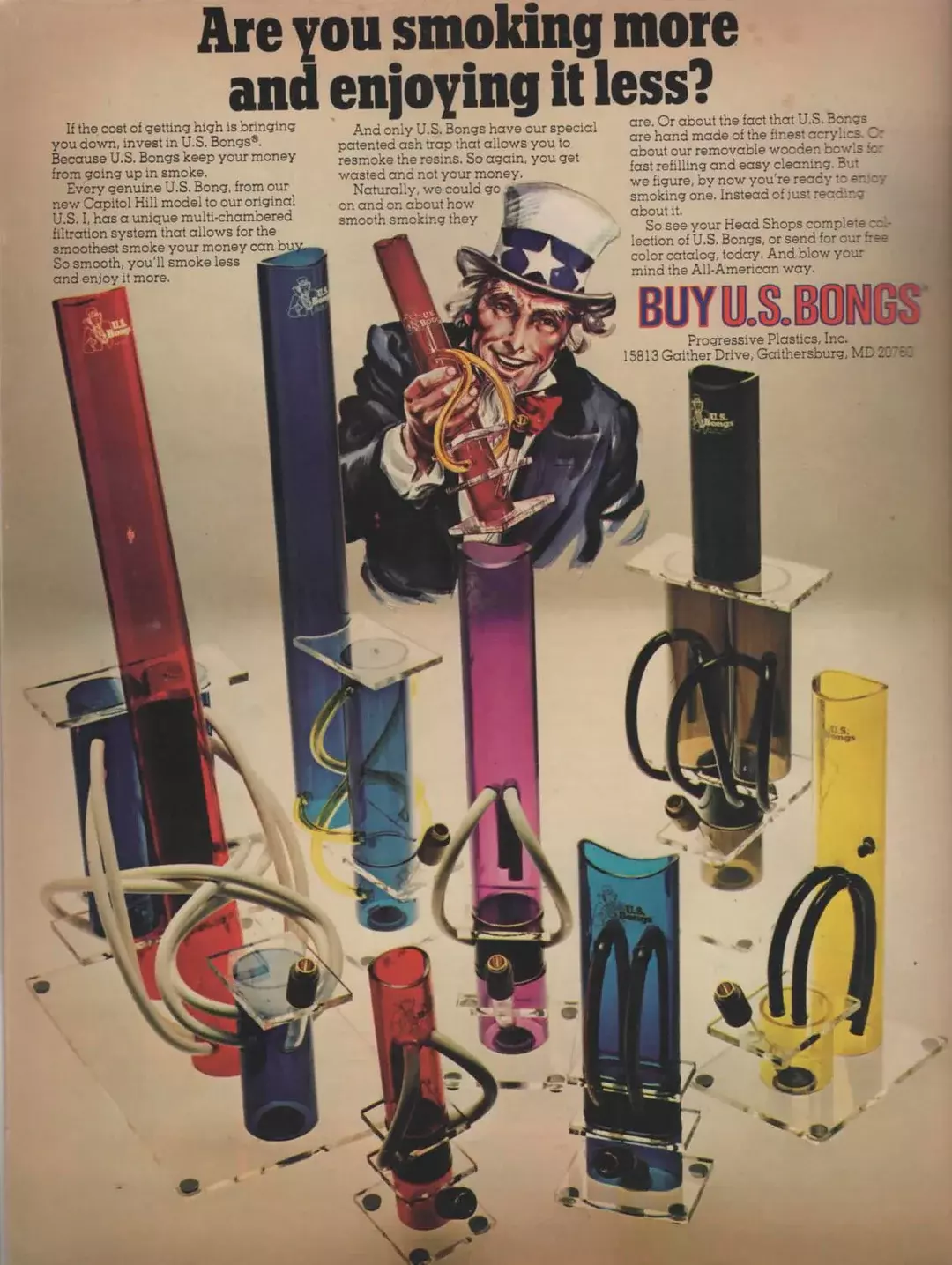
Acrylic bongs are inexpensive and resistant to breaking, but plastic is less heat-resistant and more sensitive to scratching and certain cleaning chemicals than borosilicate glass. If you use an acrylic water pipe, keep direct heat away from the acrylic itself and follow the manufacturer's cleaning instructions. For a long-term setup, borosilicate glass is generally easier to clean and more resistant to heat and chemicals.
A History Lesson on Glass and Acrylic Bongs:
Acrylic bongs became popular because they were inexpensive, lightweight, colorful, and much harder to break than glass. For decades, they offered an accessible alternative to traditional glass water pipes, especially for people looking for something durable and easy to travel with.
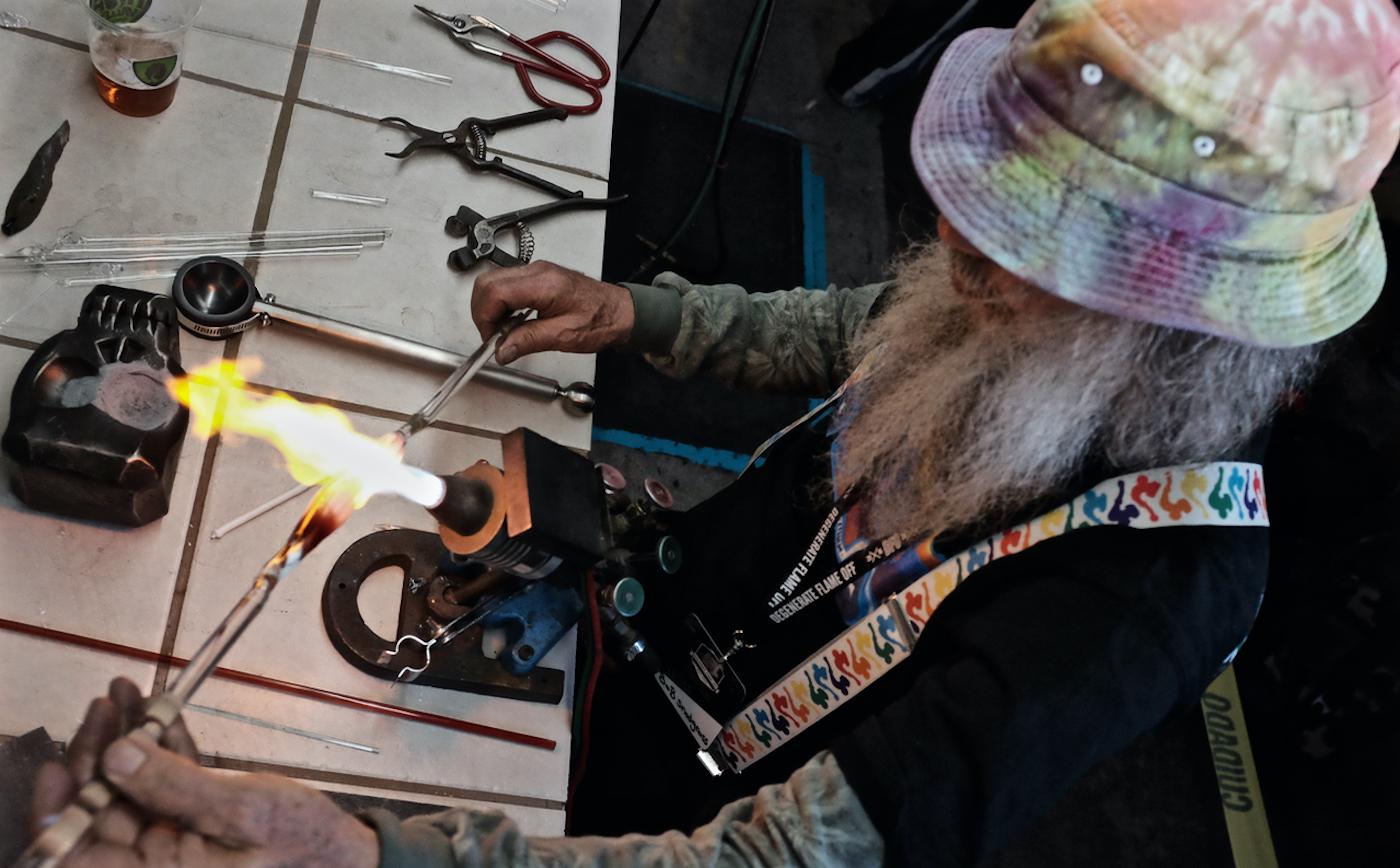
At the same time, artists like Bob Snodgrass were helping transform functional glass pipes into an art form. Snodgrass is widely credited as a major influence on the modern American glass pipe movement, helping popularize techniques and styles that pushed glass pieces far beyond simple utility.
As borosilicate glass and artistic glassmaking became more established in smoking accessories, glass offered more possibilities for percolation, heat resistance, cleaning, and long-term use. Acrylic never disappeared, but it became more closely associated with budget-friendly and entry-level designs.
Today, the bigger question isn’t whether acrylic bongs still have a place—it’s how acrylic compares with modern glass when it comes to heat, cleaning, durability, and everyday use.

Time to Upgrade From Your Acrylic Bong?
You're in the right place! Choose a winner with any of our best sellers below, or build your own on our 3D Builder.
What Are the Drawbacks of Acrylic Bongs?
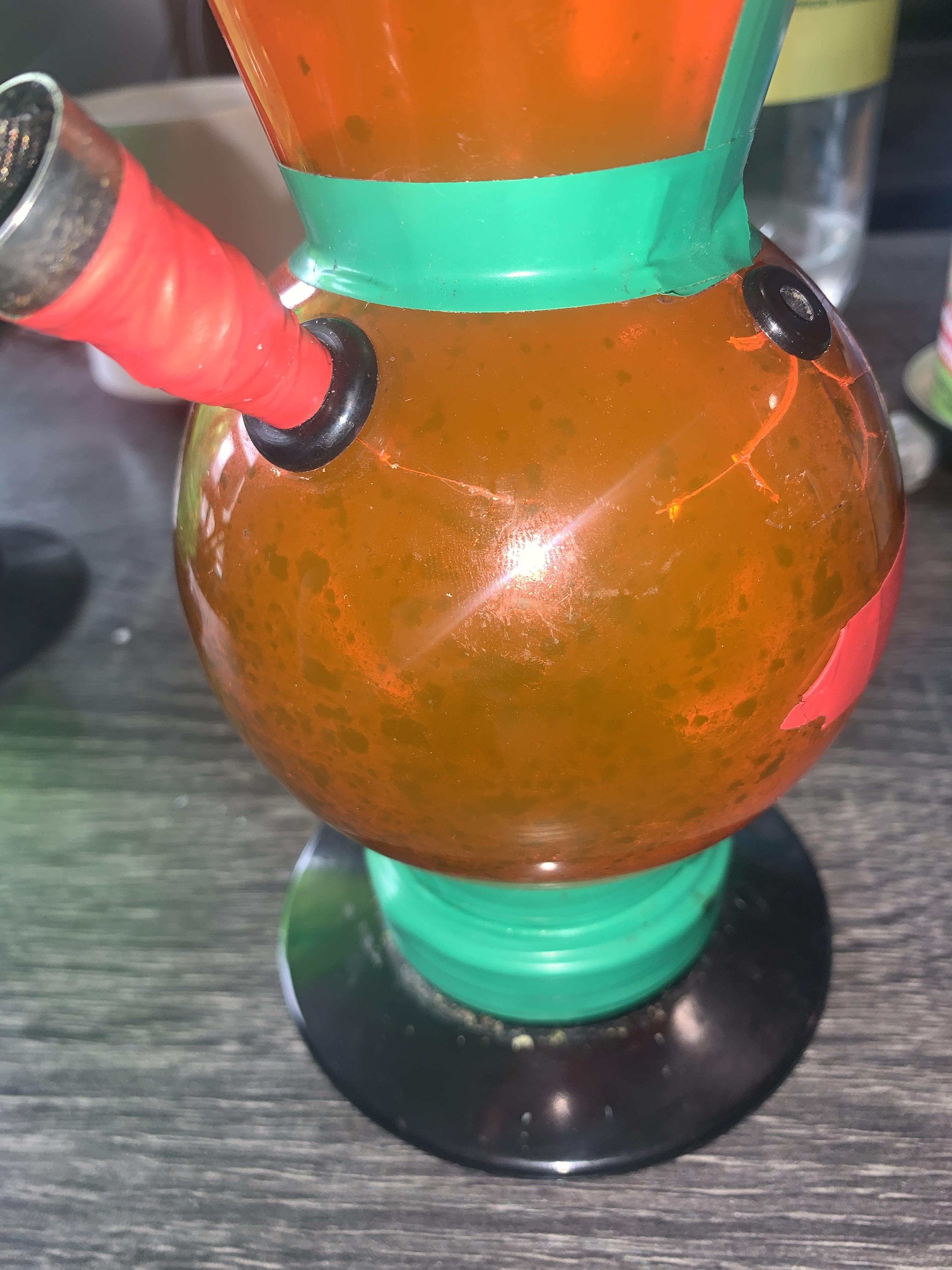
An example of Acrylic Decay
Heat Sensitivity:
Acrylic is a plastic and is less heat-resistant than borosilicate glass. Avoid exposing the acrylic body itself to direct flame or excessive heat.
Cleaning Limitations:
Some solvents and harsh cleaners can damage acrylic, causing crazing, clouding or cracking. Glass is more chemically resistant and can tolerate common cleaning methods that may damage acrylic.
Scratches and Wear:
Acrylic can scratch and become cloudy over time, particularly when abrasive cleaning tools are used.
Taste and Odor:
Because acrylic is more susceptible to wear and retained odors than glass, some users prefer glass when flavor and easy cleaning are priorities.
Why Prism Uses Borosilicate Glass
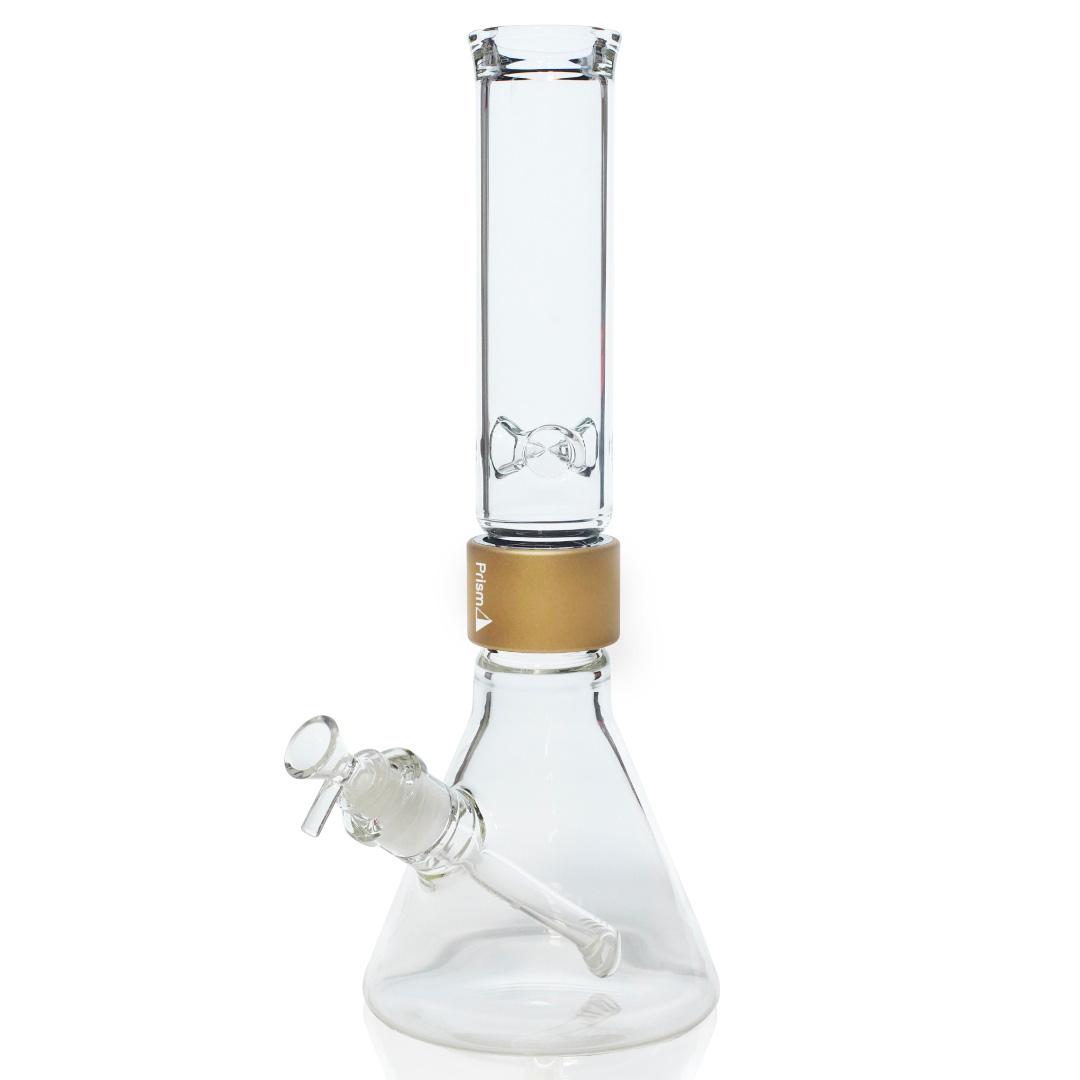
Prism Standard Beaker Single Stack
Heat Resistance:
Borosilicate glass has low thermal expansion, which gives it strong resistance to rapid temperature changes. Corning describes borosilicate glass as particularly resistant to heat, chemical corrosion and thermal shock.
Easy Cleaning:
Its chemical resistance makes borosilicate well suited to repeated cleaning without the same concerns about clouding or solvent damage that can occur with some plastics.
Long-Term Durability:
Prism uses 5–7 mm borosilicate glass in its pieces, giving the setups substantial wall thickness while maintaining the heat and chemical properties associated with borosilicate glass
What To Do With Your Old Acrylic Pipe:
Reduce reuse, recycle: Now that you’ve seen the light and are ready to retire your acrylic pipe for a cleaner, healthier glass alternative with a Prism setup on the way. We know you are thinking, "what do I do with my old, trusty plastic "friend"?" Don’t just throw it away! Instead, check out our list of alternative uses for your acrylic glass pipe!
Alternative Options for Your Plastic "Friend":
-
A Funky Coin Bank: That classic bong shape is perfect for holding your loose change. It's a great way to save up for your next, better piece of glass!
-
A Retro Flower Vase: The bright colors and unique shape make for a very '70s-inspired vase. Just be sure to give it a thorough cleaning first!
-
A Fish-Free Aquarium: Fill it with water and a few colorful plastic fish. It's the perfect no-maintenance pet for your bookshelf.
CHECK OUT OUR 3D CUSTOM BONG BUILDER!